
8 weeks out: goal, headcount and date
Three decisions come before anything else. The goal: thanking staff, launching a product to press and clients, or honouring partners? Each one changes the whole programme. The rough headcount: 150 guests in a hotel ballroom is a different event from 1,500 in an open space. The date: check it against holidays, other events and school exams if your audience brings families. Then choose the venue from those three, not the other way round. Ask about ceiling height, power points and the build time allowed; a hall that will not let you in until six hours before will not fit a stage and large screens.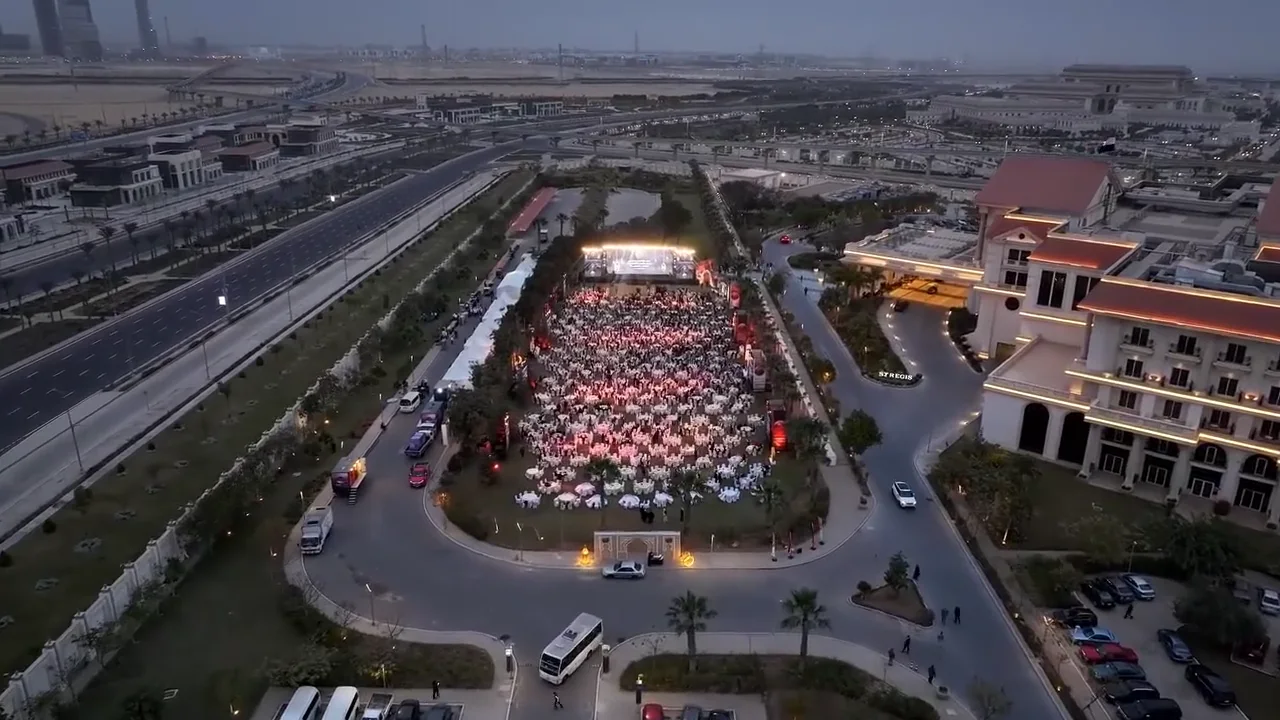
6 weeks out: concept and run of show
Now the run of show is drafted minute by minute: arrival, speeches, performances, awards, dinner. Every segment has an owner and a length. The classic mistake is giving opening speeches 5 minutes on paper that become 20 on stage, so agree the length with speakers in writing. The same week, the visual concept is set: stage shape, colours, what goes on the screens, where guests will stop for photos. Ask for a 3D render of the stage before approving it; it shows sightline problems from the back of the room before they become real.4 weeks out: production, content and invitations
The technical side is signed off: screen sizes and resolution, lighting, sound, and a backup generator if the venue is outdoors. Screen content goes into production at the screen's actual pixel size, not a normal slide size, otherwise it looks stretched or small. Invitations go out with an RSVP. The confirmed number, not the invited number, is what seating and catering are built on.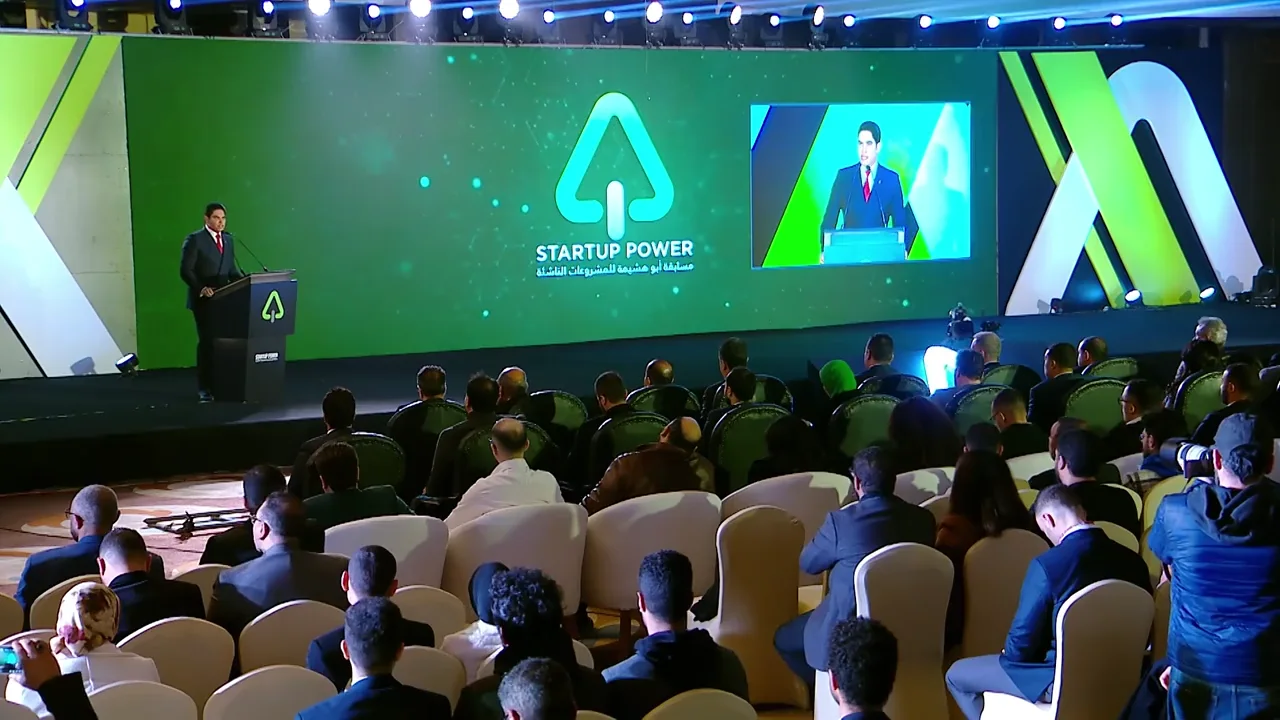
2 weeks out: coverage, streaming and rehearsal
Decide what should outlive the night: photography, a recap film, drone shots if the venue is open, and a live stream if part of your audience will not be there. Plan it now, because camera positions affect the stage design itself. If streaming matters, see how we handle live streaming for events. Book the full technical rehearsal for a few hours before doors: every video plays on cue, every mic is tested, every speaker knows their way onto the stage.Event week: build and rehearsal
The build follows a fixed order: structure and stage, then screens and lighting, then sound, then branding and details. On the night one person owns the timing and talks to the sound, lighting and screen teams; instructions coming from several people is what creates the confusion guests notice.
A sample run of show for a launch night
This is a simplified run of show for a three-hour launch night; the real one is written in more detail for each team:| Time | Segment | Owner | On screen |
|---|---|---|---|
| 18:00 | Guest arrival and reception | Reception team | Animated logo, soft music |
| 19:00 | Two-minute opening film | Show caller | Opening film |
| 19:02 | Host welcome | Host | Event name |
| 19:07 | CEO speech (7 minutes) | Speaker | Name and title, then the speech slides |
| 19:15 | Product reveal | Show caller with lighting | Reveal video |
| 19:25 | Performance or music | Band | Visual effects |
| 19:45 | Dinner and networking | Catering | Product imagery on screens |
| 21:00 | Close and group photo | Host and photographers | Thanks to sponsors |
Ask the venue these questions before booking
- Ceiling height and the rigging points available for lighting and screens.
- Available power, where the distribution board is, and whether a generator can be brought in.
- The equipment entrance, and a goods lift if the hall is on an upper floor.
- The hours allowed for build and strike, and whether overnight work is permitted.
- Noise limits and the time events must end.
- Actual internet speed if there is a live stream.
- Parking, and the entrance route for VIP guests.
- What equipment the venue provides, and whether outside suppliers are allowed.
Screen content: the details that make the difference
Ask the screen supplier for the pixel size before any design starts; a large stage screen is rarely 16:9, and content designed at the wrong size gets stretched or shows black edges. Collect speakers' names and titles in Arabic and English from one approved source and check the spelling twice; a misspelled name on a ten-metre screen is not forgotten. Prepare every video in two formats, and hand over a backup copy on a second machine before the event.Common mistakes at company events
- Booking the venue before the headcount and goal are set.
- Adding speeches and speakers up to the day, so the programme drags and guests get bored.
- No technical rehearsal, or one held minutes before guests arrive.
- Leaving coverage to the end, then finding camera positions were never reserved.
- No single decision-maker on the client side on the night.
- No backup plan for power or weather at outdoor venues.
How to estimate real attendance
Not everyone who confirms comes, and not everyone who comes confirmed. Check attendance at your past events if you have them, send a reminder two days before and on the morning of the event, and book seating and catering for the expected number, not the invitation list. For launches open to the public, plan entry and crowd flow for the highest number possible.Press and VIP guests
If the event launches a product, set up a press corner near the stage with a clear sightline and a power point, and prepare a press kit with product images and information. Put up a printed logo backdrop for guest photos, and agree an embargo with the press if the reveal has to land at the moment of the event, not before. VIP guests need a clear entrance and route, and someone from your team to accompany them from arrival to their seat.After the event: what is delivered, and when
The fastest deliverable is short clips for social media the same night, then the photo gallery within days, then the recap film, then the full recording of the stream or speeches if there is one. Agree these dates in the quote from the start; every day after the event lowers the audience's interest in its content.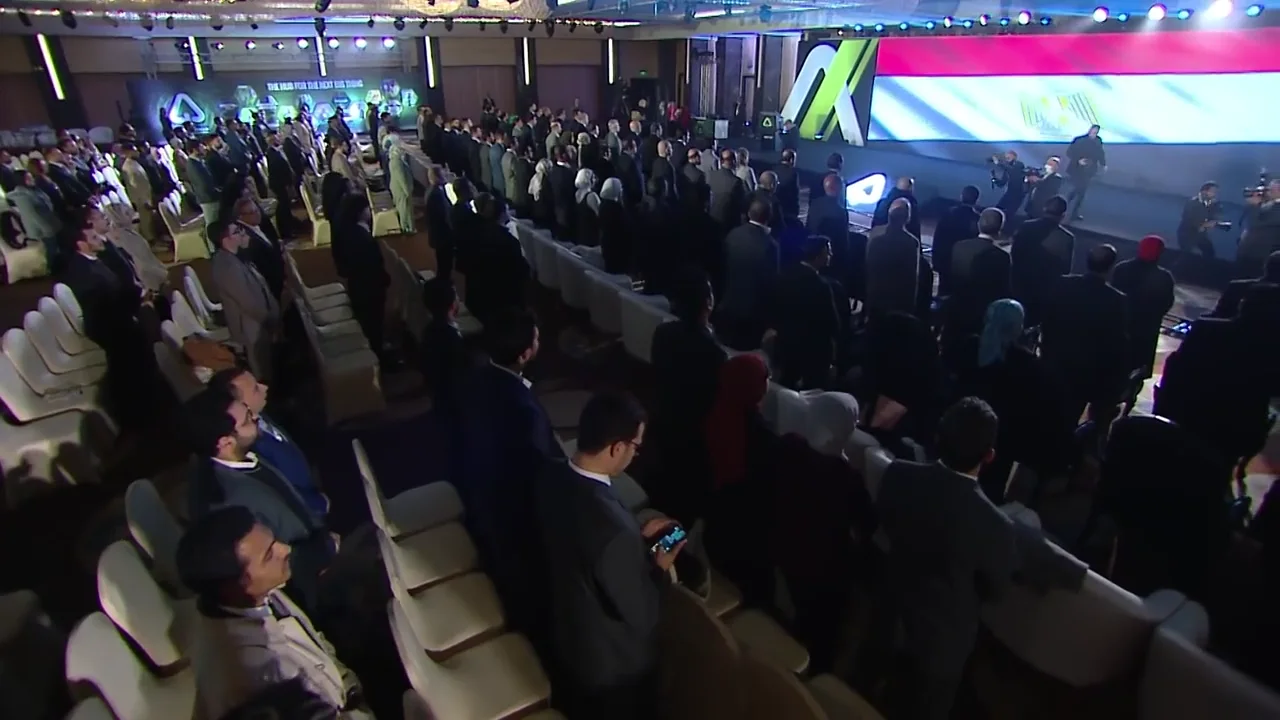
Budget lines people forget
The backup generator and its fuel, overtime if the event runs late, venue permits, equipment insurance, catering for the crew, and extra cut-downs of the recap film for social media. Ask about each of these explicitly when you receive a quote.Start with a goal you can measure
Every corporate event planning decision gets easier when the goal is written down in one sentence. "Launch the new product" is not a goal. "Get 40 dealers to leave with the product sheet and book a demo" is. "Celebrate the year" becomes "have every team feel recognised, and give the CEO ten minutes to set next year's direction". The goal decides the guest list, the length of the programme, what goes on stage, and what you measure afterwards.Types of corporate events and what each needs
- Conference or forum: a strong stage, clear sound, confidence screens for speakers, a tight run of show, and often live streaming for people who cannot attend.
- Product launch event: one big reveal moment, the product on stage or on display, media and content creators, and fast coverage so the launch is online the same night.
- Annual party or gala: entertainment, awards, food and a flow that keeps energy up; the stage is shorter, the evening is longer.
- Ramadan iftar or suhoor: timing is fixed by sunset, so the build and the programme are planned backwards from that minute.
- Award ceremony: many short segments, name cards and walk-up music for every winner, and a photographer at the right spot for each handover.
- Internal kick-off or offsite: fewer production elements, more attention to content, workshops and the leadership message.
A product launch event: the extra steps
A launch has everything a corporate event has, plus a few things of its own. Decide the reveal: how and when the product first appears, and what the audience sees and hears at that moment. Rehearse it more than anything else. Prepare a media kit with photos, specifications and a short video, and agree on an embargo time if press are attending before the public announcement. Plan demo or display points so guests can see the product up close after the reveal, and schedule the social media content so the first posts go out while the event is still running. If there will be content creators, give them a short brief and a good spot. They need light, a clean background and a few minutes with the product, not a seat at the back.Choosing the date: the Egypt and Gulf calendar
Check the calendar before anything else. Ramadan changes the whole rhythm of the day, and evening events move to after iftar. Eid holidays empty offices for several days before and after. Summer in Egypt and the Gulf pushes outdoor events into the evening or indoors. Weekends differ too: Friday and Saturday in Egypt and Saudi Arabia, while in the UAE most companies moved to a Saturday and Sunday weekend in 2022, so a regional event needs a date that works for everyone travelling in. Also check what else is happening in the city that week: large exhibitions and conferences fill hotels and venues fast.An event planning checklist
- Goal written in one sentence, with one decision-maker named.
- Date, headcount estimate and budget range approved.
- Venue visited, with power, load-in times and restrictions confirmed in writing.
- Run of show drafted, with speakers and timings.
- Stage, screens, lighting and sound designed for the venue.
- Screen content list, with an owner and a deadline for each item.
- Invitations sent and RSVPs tracked.
- Coverage plan: photos, video, live stream, and who posts what, when.
- Technical rehearsal booked, with speakers invited.
- Plan B for weather, power and a missing speaker.
- Delivery dates agreed for the photos and the recap video.
Who does what: your team and the production company
Many problems come from tasks nobody owned. Write the split down. Usually the client team owns the guest list, invitations, speakers and their content, approvals and anything involving internal stakeholders. The production company owns the stage, screens, lighting, sound, show calling and coverage, and prepares the screen content from what you send. The venue owns its own rules, catering if included, and security. When there is also an event planner, they usually take the guests, catering, transport and hospitality. Name one contact person on each side. Decisions made in a group chat with twenty people get lost.Guest comfort and accessibility
Small details decide how guests remember the evening. Is there a lift or ramp for anyone who needs it? Can people in the back rows see the screen and hear clearly? Are there enough seats for the speeches, and is the programme short enough that nobody stands for an hour? Is registration fast, with enough staff at the door at peak arrival time? Is the parking or drop-off clear? None of this is expensive, but it has to be on the plan.Measuring success after the event
Go back to the goal and measure against it. Attendance against RSVPs, how many people stayed until the key moment, leads or bookings collected, views of the live stream and the recap video, press and social media mentions, and a short survey to guests within two days while the evening is still fresh. Hold a short review with the production company and your team too: what worked, what to change next time. It turns one event into a better next one.Building the event budget
Split the budget into lines before asking for quotes, so you can compare them fairly: venue, food and drinks, production (stage, screens, lighting, sound), content for the screens, coverage (photo, video, streaming), entertainment or hosts, gifts and printed material, staffing and transport. Keep about ten percent aside for surprises; something always comes up. When a quote is much lower than the others, check what is missing from it rather than celebrating. Decide early which lines matter most for your goal. For a product launch, the reveal and the coverage deserve the money. For an annual party, food and entertainment matter more than a large screen.Hotel ballroom, outdoor venue or your own premises?
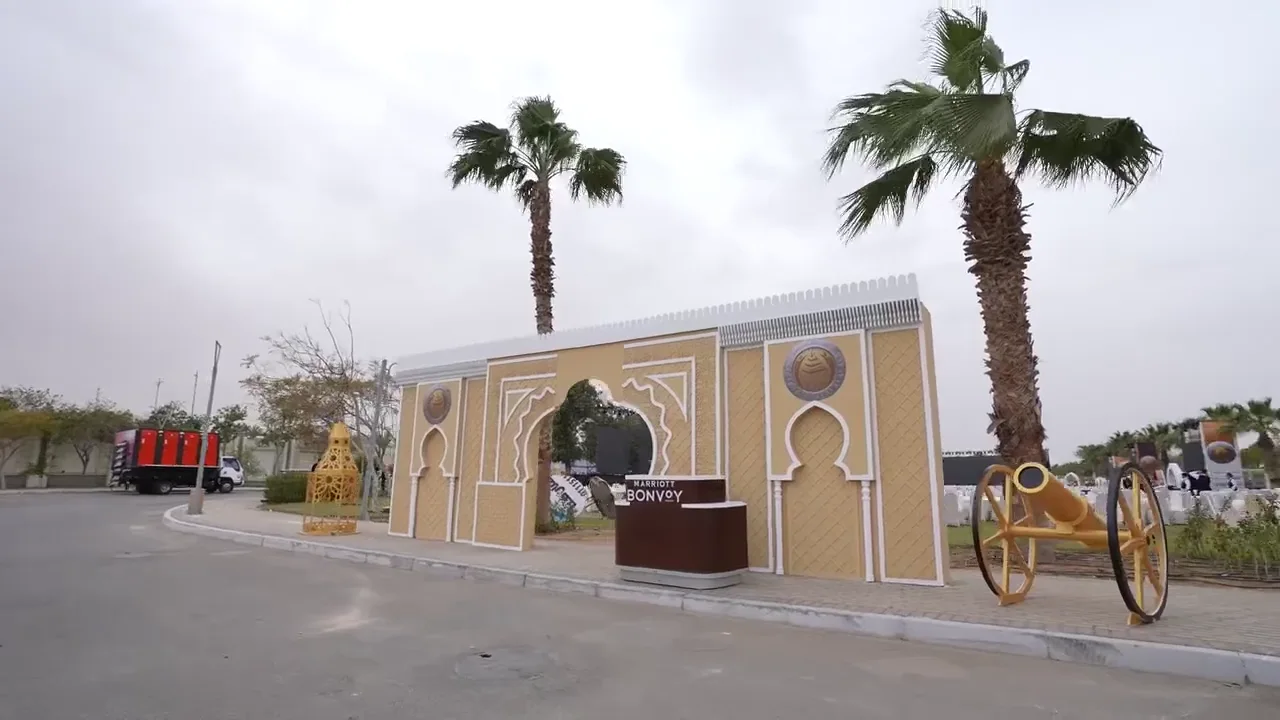
A hotel ballroom is the easy choice: power, catering, parking and air conditioning are handled, but fixed hours and in-house suppliers can limit you. An outdoor venue gives atmosphere and space, and needs everything brought in: power, flooring, lighting, toilets, and a weather plan. Your own offices or factory feel personal and save rental, but they are rarely built for events, so check power, access and space for the crew before deciding. Whatever you choose, visit it at the same time of day as the event.Preparing speakers and presenters
Speakers decide how the programme feels, and most of them are busy until the last minute. Send each one a short brief: the audience, the time slot, the length, the slide template and the deadline for slides. Ask for final slides at least three days before the event, so they can be checked on the real screen. Invite them to the rehearsal, even for ten minutes, so they know the stage, the confidence monitor and the microphone. Agree who will cut a speaker off if they run long, and how.Registration and guest arrival
First impressions happen at the door. Send guests a QR code with the invitation so check-in takes seconds. Put more staff at the entrance during the peak arrival time, usually the first half hour. Print name badges in advance for registered guests and keep blank ones for walk-ins. Have a separate line or host for VIP guests and speakers. And make sure signs lead from the parking or drop-off point to the hall.Planning for the online audience
If the event is streamed, plan it as a second audience with its own experience. Tell online viewers when to join and how long the stream will run. Keep the breaks short or fill them with content, since online attention drops fast. Give them a way to ask questions, and make sure someone reads those questions out. Record everything, because the replay often gets more views than the live stream.Working with the venue on the day
Meet the venue's event manager before the build starts and agree the timings again: when the crew can enter, when catering sets up, when doors open to guests, and when the hall must be empty. Keep their phone number with every team lead. Most problems on the day, like a locked door or a power cut in one area, are solved in minutes when the right person is reachable.Less waste at corporate events
Branding printed without a date can be used again at the next event. Digital invitations and QR check-in save paper. Giveaways people actually keep are better than bags of items that end up in the bin. Ask the venue about food donation for leftovers where it is possible. Small choices like these also make a good story for the company's own channels.Hosts and entertainment
A good host holds the programme together: they introduce speakers, fill the gaps when something runs late and keep the room with them. Choose one who has done corporate events, not only weddings or TV, and brief them on names, titles and pronunciation. Entertainment should suit the audience and the goal. A band or DJ for an annual party, a short performance before a launch, nothing at all for a serious conference. Check the entertainers' technical needs early, as they often need their own sound and stage time for a check.Food and drink timing
Food decides when people stop listening. Guests who arrive hungry wait badly, and a heavy meal before the main speech sends the room to sleep. Serve something light on arrival, keep the key segments before the main meal, and give the caterer the run of show so they do not start clearing plates during a speech. For iftars, the timing is fixed by sunset, so the programme is built around it: a short welcome before, the main content after the meal.The coverage plan
Decide what you need from the event before the photographers arrive. A shot list covers the must-haves: the CEO on stage, the reveal, every award handover, key guests, the branding, the room at its fullest. The video team needs to know whether you want a one-minute recap, full recordings of the talks, or short clips for social media the same night. Plan when each piece is delivered, because a recap posted the next morning gets far more attention than one posted a week later.Gifts and printed material
Printed items have the longest lead times: badges, programmes, signage, backdrops and branded gifts can take one to two weeks, longer if they come from abroad. Approve the designs early and order a few spares. A gift works when it is useful or connected to the event's message; a notebook with the product launch date and a QR code to the replay does more than another branded pen.Safety and security
Every event needs a basic safety plan, even a small one. Know the emergency exits and keep them clear of equipment. Check that cables are covered and taped where guests walk. Make sure structures like stages and screens are built and signed off by the people responsible for them. Agree with the venue on security at the doors, and plan for VIP guests if they are attending. Keep a first-aid kit and a list of the nearest hospital and emergency numbers with the event manager.Corporate event planning FAQ
How much does a company event cost in Egypt?
It depends on the headcount, the venue and the production size: stage, screens, lighting and sound, then coverage. That is why we ask for these details before giving any number, and send a quote broken down line by line.How much time does a product launch need?
Six to eight weeks is comfortable for a mid-sized event. It can be done in far less, but a short lead time raises costs and narrows the venues and equipment available.Do you organise weddings and birthday parties?
Our work is company events, product launches, conferences and official events; that is what our team and equipment are built for.Do you provide live streaming and coverage at the same event?
Yes. Photo, video, live streaming and drone coverage are planned with the event production from the start, which makes it easier to place the cameras and design the stage around them.When should invitations go out?
About four weeks before a company event, with an RSVP request, then a reminder two days before. For VIP guests and speakers, secure the date well before that.What is the difference between an event planner and a production company?
The planner looks after the guests: venue, invitations, catering and hospitality. The production company looks after the show: stage, screens, lighting, sound and filming. Many events need both.Can a corporate event be planned in less than eight weeks?
Yes, if decisions are fast. The eight-week plan is comfortable; four weeks is workable for most events; less than that needs a small, decisive team on the client side.How many staff do we need at the entrance?
It depends on how many guests arrive at once. With QR check-in, one person can usually handle a steady flow; plan extra hands for the first half hour, when most guests arrive together.EPH's production team in Cairo: commercials, events, photo and sound studios. We write here about what we learn on set.

 Shineray X30 — On set
 zed's — Making of the commercial
 Red Bull — Behind the scenes
 Republican People's Party — Iftar build
 Golden Beach Resort — Behind the scenes
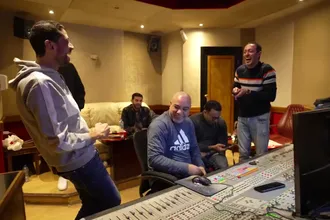 zed's — Recording the ad song
 Shineray — Five locations in one day
 Republican People's Party — Sports final build
 Conference night — The build
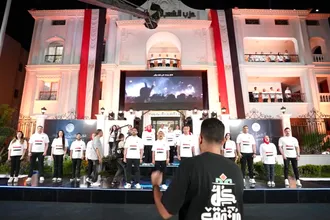 Republican People's Party — Making of the song
 ECSSR — At the stand
 Shineray — Studio setup
 Startup Power — Summit build
 Social media — Studio shoot at EPH
 Republican People's Party — Hurghada Forum
 Wadi Degla — Fashion session