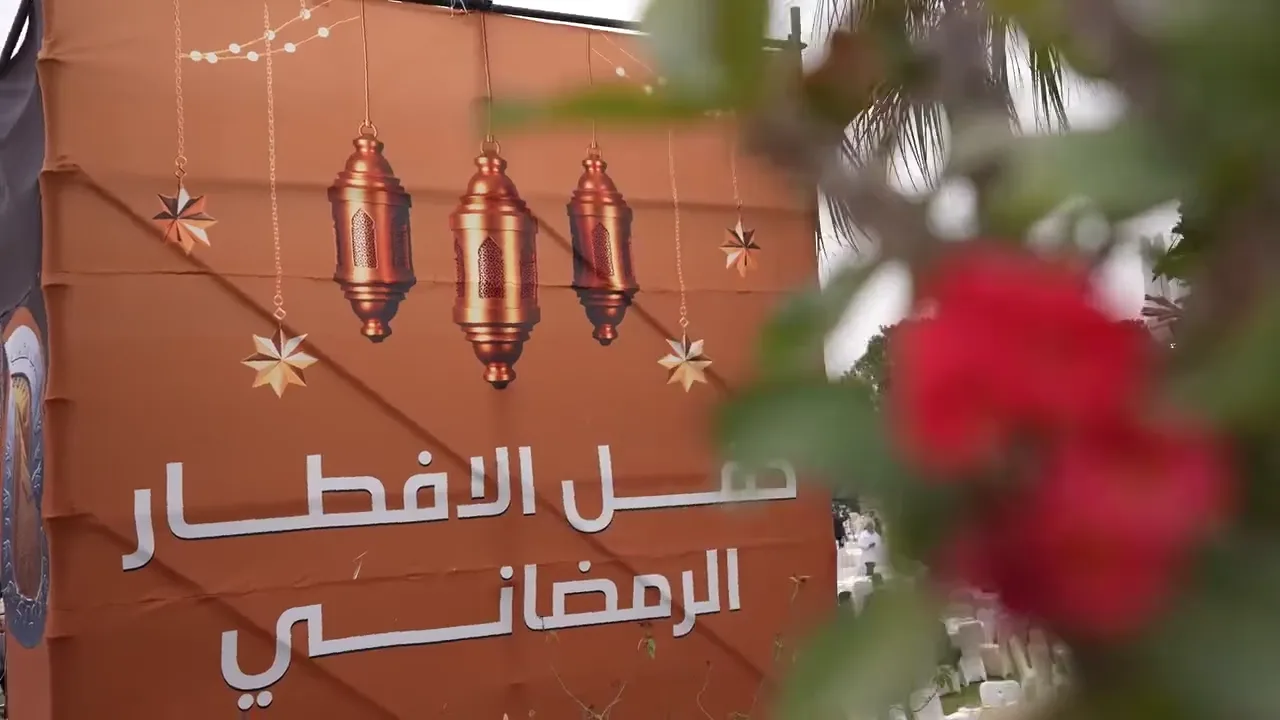
Weeks before: the big decisions
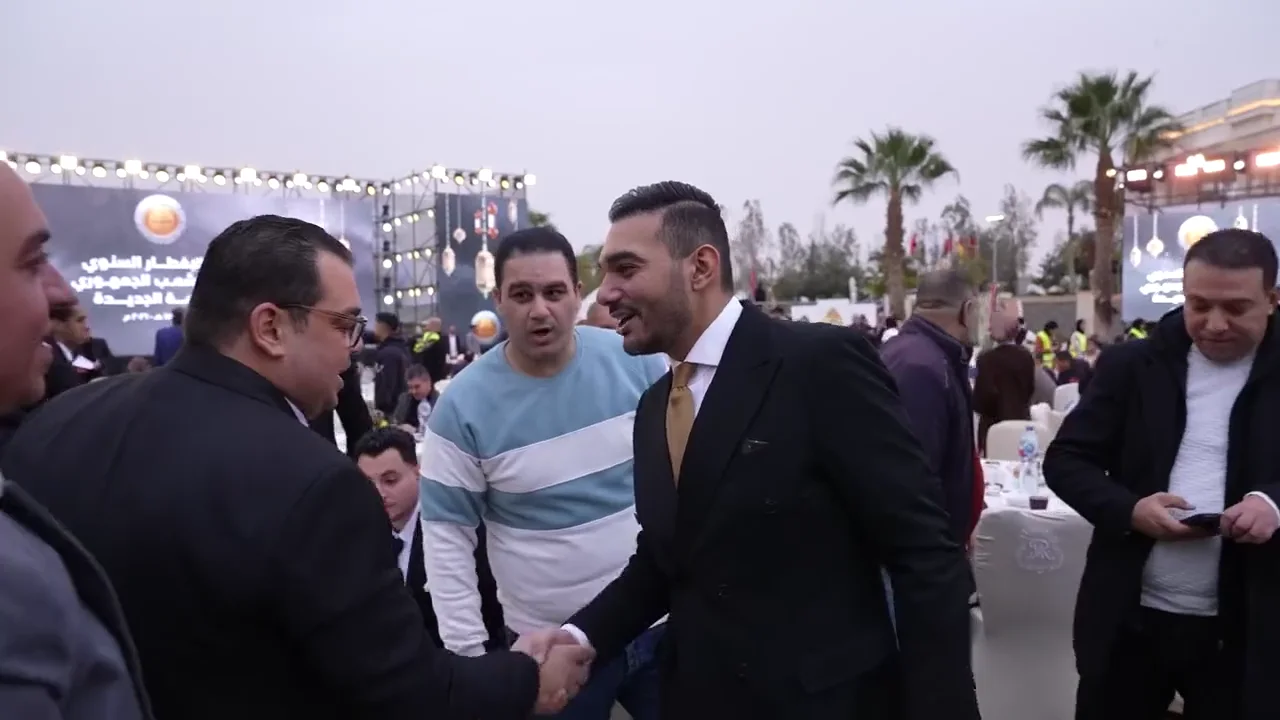
Design and screen content
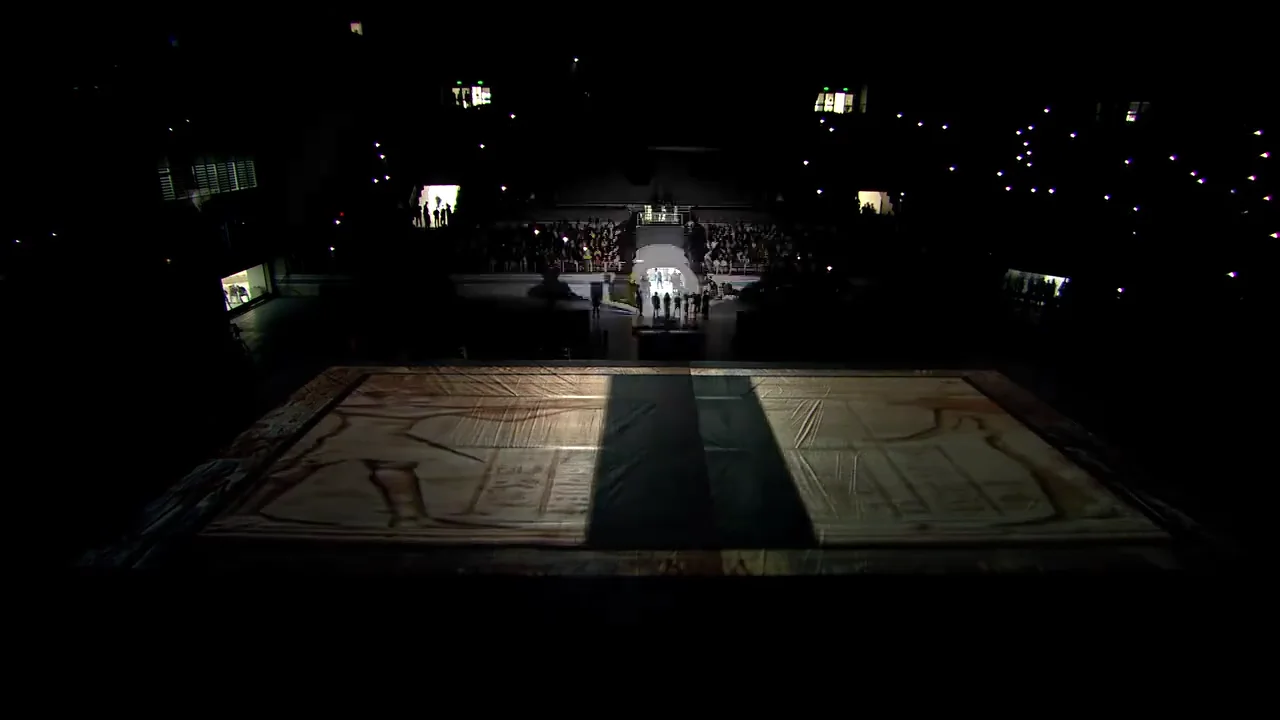
The 24 hours: the build
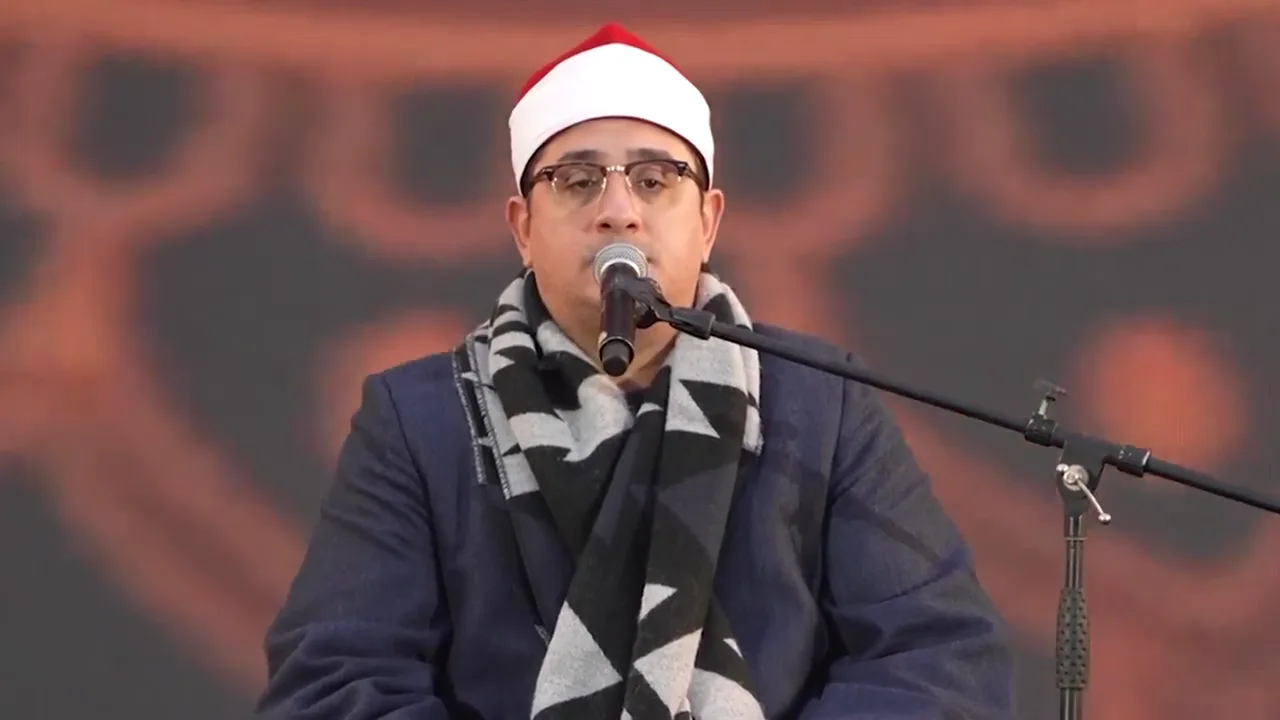
Event night: one person owns the timing
On the night, a show caller follows the run of show and stays in contact with the sound, lighting and screen teams, so any delay in a segment is handled calmly and the audience never notices.What does event production include?
Event production is everything the audience sees and hears, and the crew that makes it happen on time. On a typical corporate event that means:- Stage and set: the stage itself, the backdrop, the lectern and any built set pieces.
- LED screens and their content: the main screen, side screens, confidence monitors for speakers, and every video, sting and name slide that plays on them.
- Lighting: stage wash, audience light, effects for the reveal moments, and lights for the cameras.
- Sound: microphones, speakers sized for the room, playback of music and videos, and a mix the back row can hear clearly.
- Branding: entrance, photo wall, stage branding and signage.
- Show calling: one person running the cues from the run of show.
- Coverage: photography, video, drone shots and live streaming when needed.
- Power and safety: load calculations, backup power and safe rigging.
Event production and event planning are not the same job
An event planner looks after the guests: the venue booking, invitations, catering, seating, transport and hospitality. Event production looks after the show: what happens on stage, on the screens and through the speakers, and how it is filmed. On small events one company often does both. On large ones they are separate teams, and the event goes well when the two agree early on the timings, the load-in window and who has the final word on the night. At EPH we work on the production side: stage, screens, lighting, sound, content and coverage, and we coordinate with the planner or the client team on everything else.Who is on the event production team?
The numbers change with the event, but the roles stay the same:- Producer: owns the budget, the schedule and the client relationship from the first call to the last delivery.
- Technical director: designs the stage, screens, lighting and sound so they work together, and checks the venue can carry them.
- Show caller: calls every cue on the night, from the walk-in music to the last video.
- Playback operator: runs the videos and slides on the screens, with a backup machine ready.
- Sound engineer and lighting operator: each at their own desk, following the show caller.
- Stage manager: gets speakers on and off stage at the right moment and handles anything that happens behind the set.
- Camera crew: covers the event for recap videos, social media and live streaming.
The venue survey: what we check before designing anything
A photo of the hall is not enough. On a site visit we check where the power comes from and how much the board can carry, the ceiling height and whether there are rigging points for lights and screens, the route from the loading area to the hall (door widths, lifts, stairs), what the floor can hold, noise limits and the time the venue must be empty, whether there is a wired internet line for streaming, and where the crew can store cases during the event. Each of these can change the design. A low ceiling means a smaller screen or a ground-stacked one; a narrow lift means screens that come in smaller panels.Stage design basics
The stage has to be high enough for the back rows to see the speaker's face over the heads in front, and wide enough for the screen and the speakers not to fight each other. The lectern goes where it does not block the screen from any seat. Steps need handrails and light, and a ramp if any speaker needs it. Camera positions are decided at the same time: a camera on a riser in the middle of the room gives the best shot of the stage, and it needs its own space and power.Event production for streamed and hybrid events
When part of the audience is online, they need their own version of the event. The stream gets its own sound mix, because what sounds right in the hall is often too quiet or too echoey online. Two or three cameras with a vision mixer keep it watchable, and graphics add the speaker names and the event branding. The internet line is tested the day before, and we keep a mobile backup connection ready. For Q&A, someone has to collect the online questions and pass them to the moderator.LED screens: size, resolution and content
Screens are usually the biggest line in event production, so they are worth planning properly. The number that matters is the pixel pitch: the distance in millimetres between the lights on the screen. The smaller it is, the sharper the screen looks up close, and the more it costs. A common rule of thumb is that the closest viewer should sit at least one metre away for every millimetre of pitch, so a 3.9 mm screen suits a room where the front row is about four metres back. Content has to be made for the real screen, not for a laptop. Every screen has its own resolution and proportions, and a video made in 16:9 for a wide screen will either stretch or show black bars. We ask for the screen specifications early and export every video, slide and name card at that exact size, then check them on the actual screen at the technical rehearsal.Sound and lighting: what the audience notices first
Guests forgive a lot, but not a speaker they cannot hear. Bad sound is the most common complaint after corporate events, and it usually comes from speakers too small for the room, the wrong microphone for the speaker (a lapel mic on someone who moves their head a lot), or no sound check with the actual people who will speak. Lighting does two jobs. It sets the mood in the room, and it makes the stage look good on camera. A stage that looks fine to the eye can look dark and flat in the video if it was lit only for the room, which is why we plan the lighting with the camera crew and not after them.The technical rehearsal: what gets tested
Once the build is finished and before the guests arrive, we run the whole show from start to finish with the crew. Every video plays on its cue and at the right volume, every microphone is tested with the person who will use it when possible, the lighting changes are checked, and the speakers walk the stage once so they know where to stand and which screen to look at. Anything that fails at rehearsal is fixed then, not in front of the audience.Plan B: what can go wrong, and how it is covered
Something always goes wrong at a live event; the point is that the audience does not notice. Our standard backups: a second playback machine running the same content in parallel, spare microphones and batteries on stage, all content on two separate drives, a generator or UPS for the critical equipment, and a printed run of show in the hands of every team lead in case the radios fail.Coverage: the event lives on after the lights go down
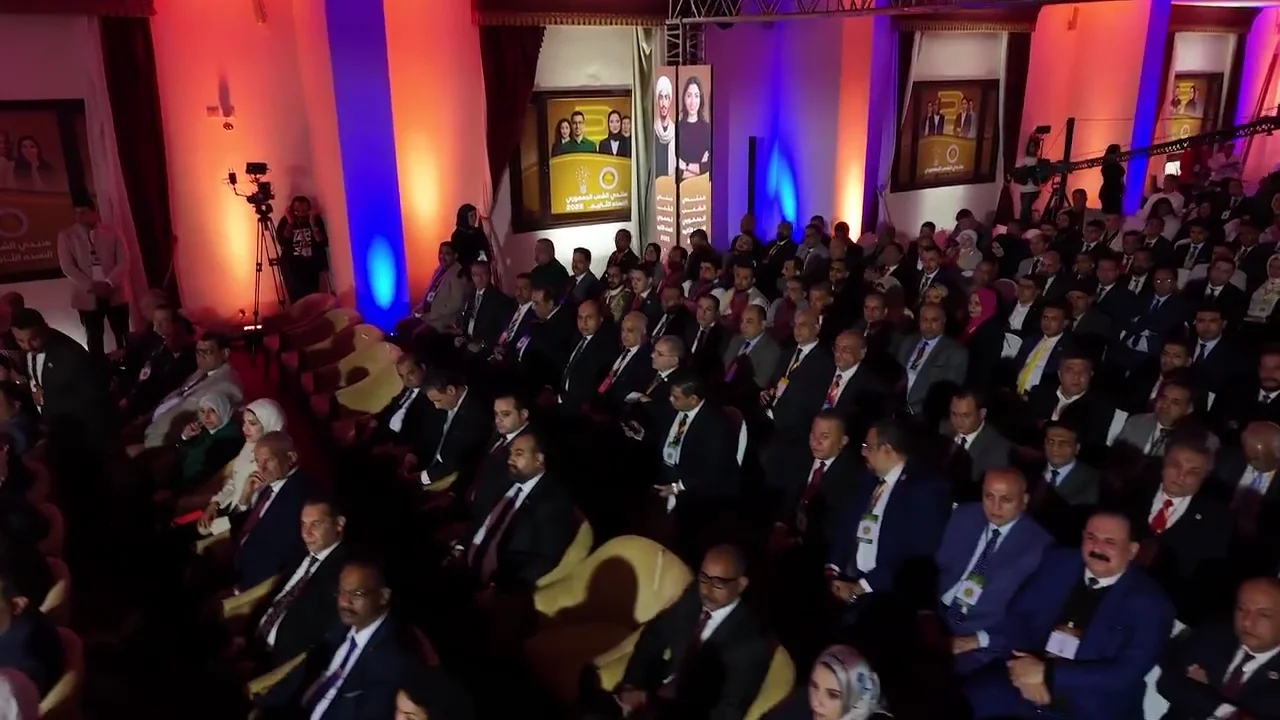
An event production checklist before you call a company
The date and venue (or the city if the venue is not set yet), the rough guest count, the event type and goal, the speakers or main segments, whether you need video and drone coverage, and an estimated budget.Event production FAQ
How far ahead should we book event production?
For a corporate event with a stage, screens and coverage, four to six weeks gives everyone room to plan. Smaller events can be done in less, and we have built a full event in 24 hours, but only because the decisions were already made.Do you produce events outside Cairo?
Yes. We have produced and covered events outside Cairo, including the Hurghada Forum. Travel, crew accommodation and freight are added to the plan and the quote.Can you stream the event live while you film it?
Yes. The same crew can run the live stream and record the event for the recap video, which is cheaper and simpler than bringing two teams.What do you need from us to send a quote?
The date, the city or venue, the rough guest count, the event type and what you have in mind for the stage and screens. A floor plan or photos of the venue help a lot.Do you supply the screens and sound equipment, or rent them?
We plan the equipment for each event and bring it from our own kit and trusted suppliers, depending on the size. You deal with one team and one quote.What happens if a screen or microphone fails during the show?
The show caller switches to the backup: the second playback machine, a spare microphone on stage, or a pre-agreed line from the host while the crew fixes it. With a rehearsed plan, most failures last seconds.EPH's production team in Cairo: commercials, events, photo and sound studios. We write here about what we learn on set.
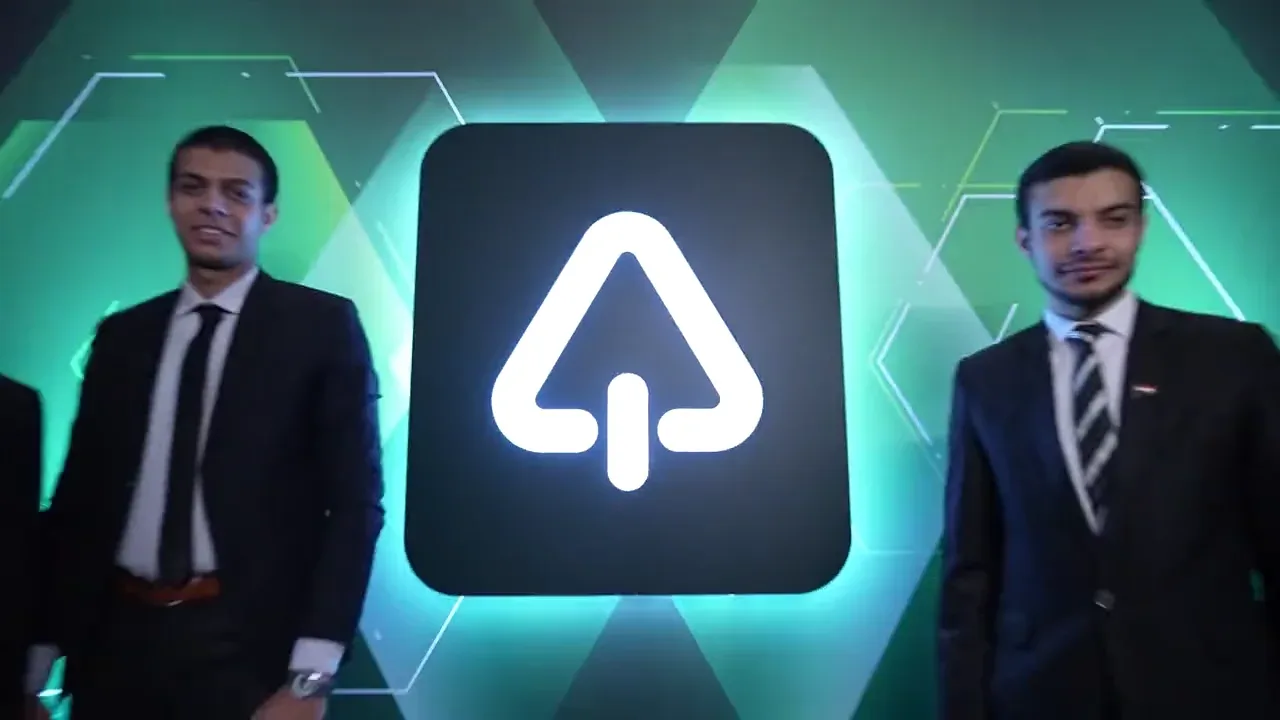
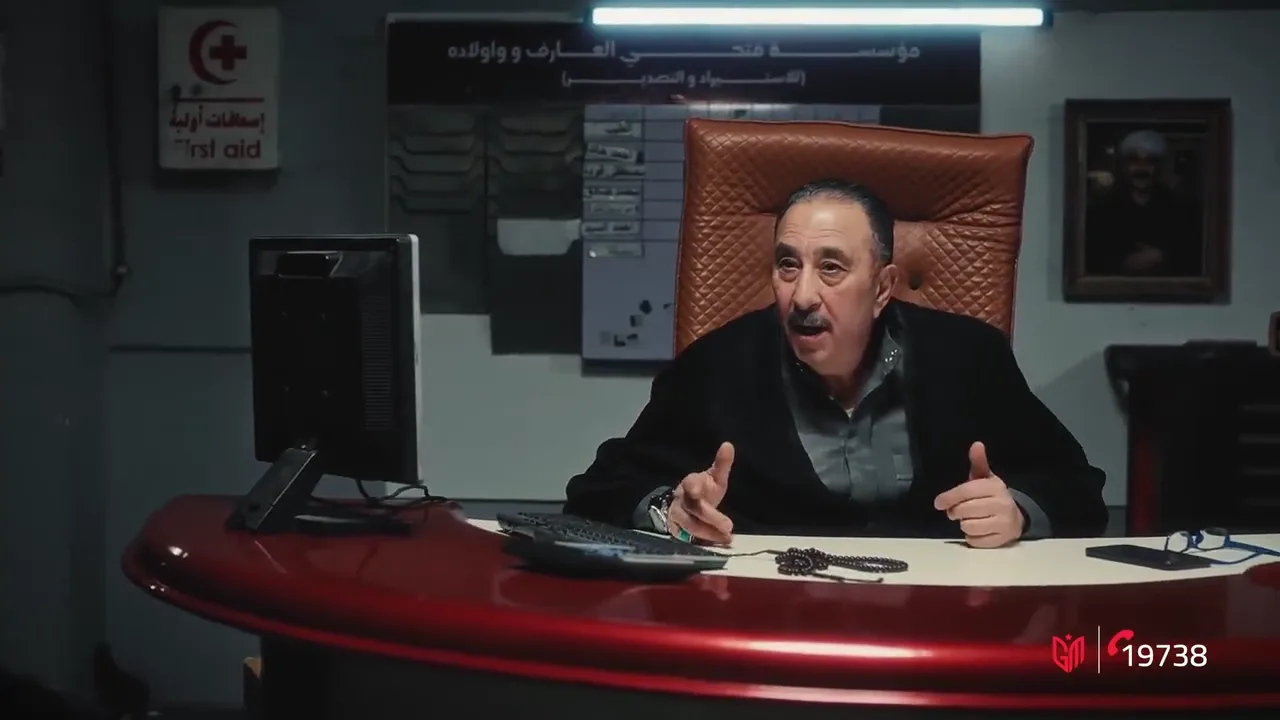

 Shineray X30 — On set
 zed's — Making of the commercial
 Red Bull — Behind the scenes
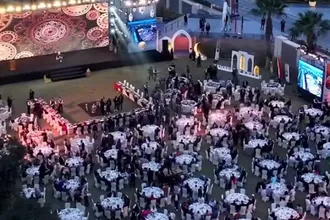 Republican People's Party — Iftar build
 Golden Beach Resort — Behind the scenes
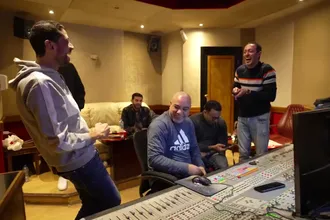 zed's — Recording the ad song
 Shineray — Five locations in one day
 Republican People's Party — Sports final build
 Conference night — The build
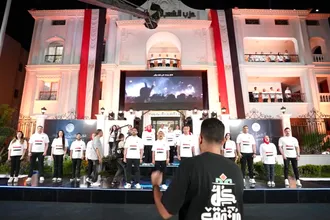 Republican People's Party — Making of the song
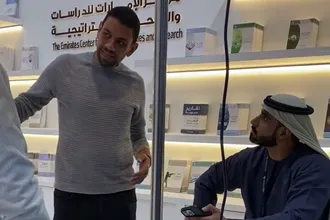 ECSSR — At the stand
 Shineray — Studio setup
 Startup Power — Summit build
 Social media — Studio shoot at EPH
 Republican People's Party — Hurghada Forum
 Wadi Degla — Fashion session