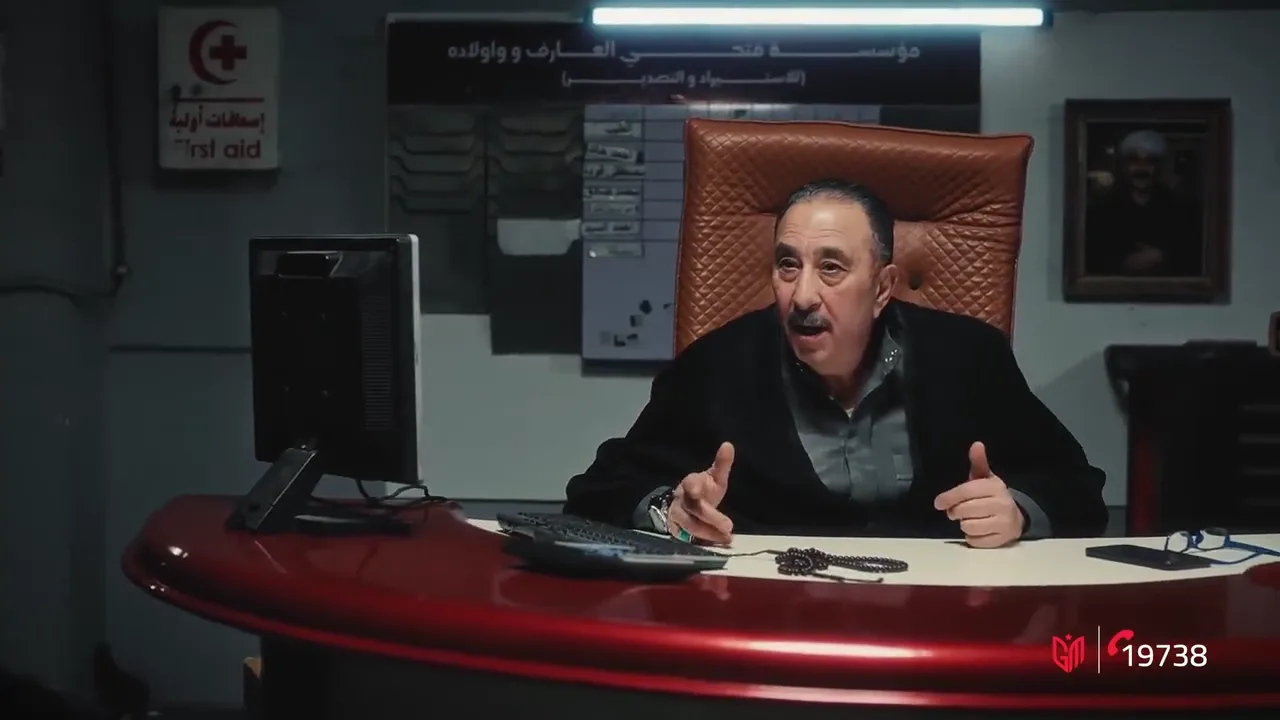
1. The brief: what should the ad achieve?
Before any idea, one question needs an answer: what do we want the audience to do or feel after watching? Buy? Remember the brand name? Trust a new product? A good brief also sets the target audience, where the ad will run (TV, social media or mall screens), the deadline and a rough budget. If the brief is missing something, we ask. Those questions save days of work later.2. Concept and script
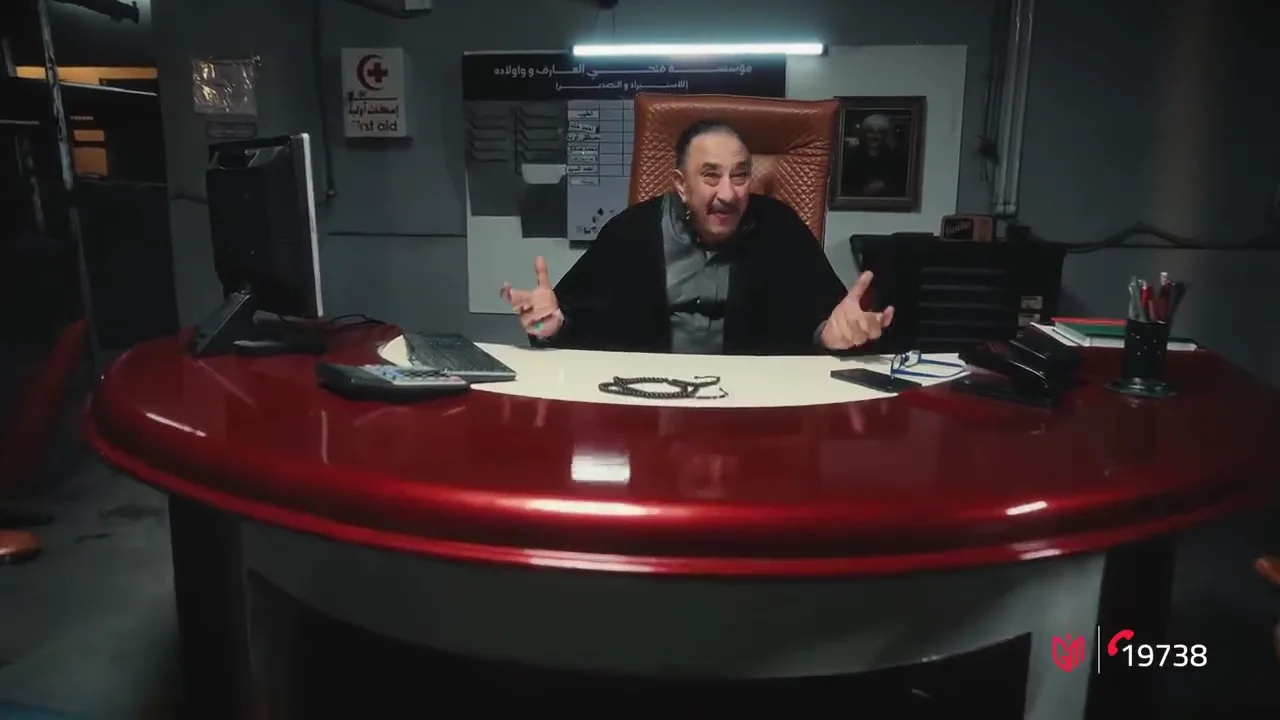
3. Pre-production: where the ad is won or lost
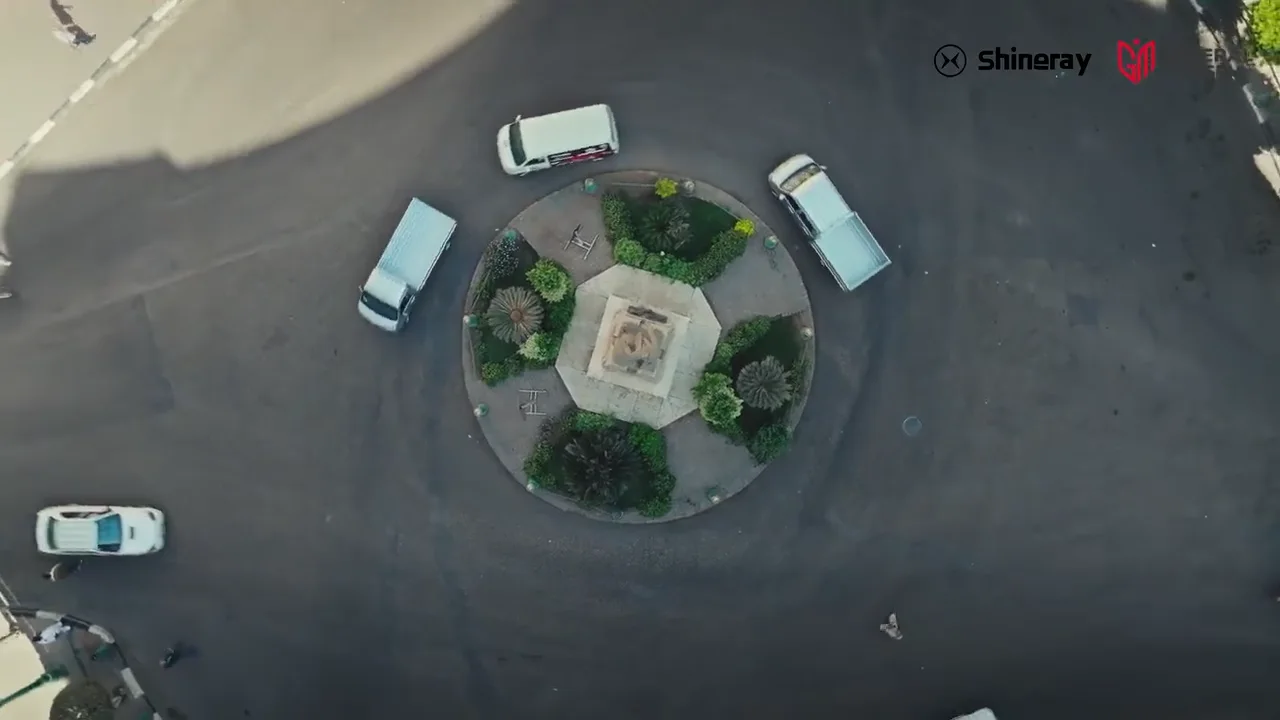
4. Shoot day
5. Post-production: where good footage becomes a strong film
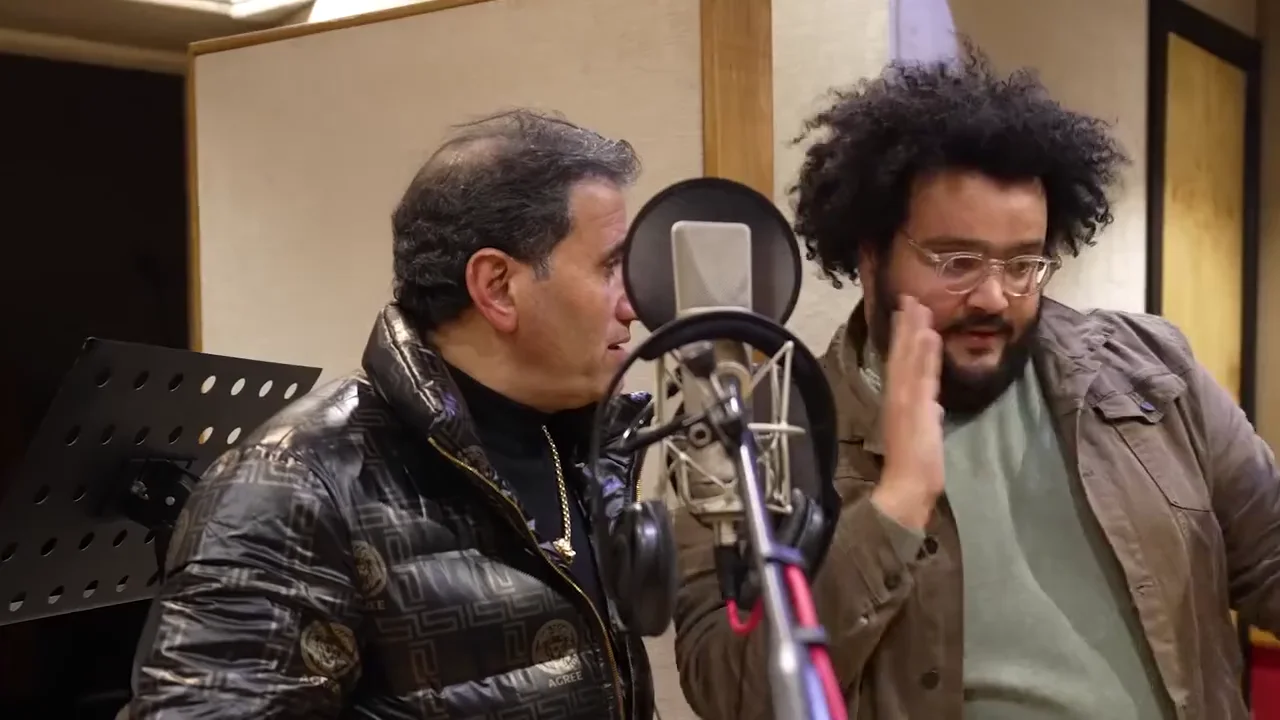
Music and sound: half of the commercial
Watch any ad with the sound off and it loses most of its energy. Music sets the pace of the edit, so it is chosen before or during editing, not added at the end. There are three routes: a library track, licensed for your media and period, which is quick and affordable; a well-known song, which is expensive and needs permission from both the publisher and the label; or an original track or jingle, which the brand can own and reuse for years. On top of the music comes the sound design: footsteps, engines, the click of a product, the room tone. It is the difference between an ad that feels real and one that feels empty.Colour grading: the look of the ad
Colour grading happens after the edit is locked. The colourist balances every shot so they match, then gives the film its look: warm and golden, clean and bright, or dark and dramatic. It also fixes problems from the shoot, like a cloud that changed the light halfway through a scene. For products, the grade must keep the product's real colours; a customer who buys the red bottle expects the red they saw in the ad. We grade on calibrated screens and check the result on phones too, where most people will watch it.6. Delivery in every format
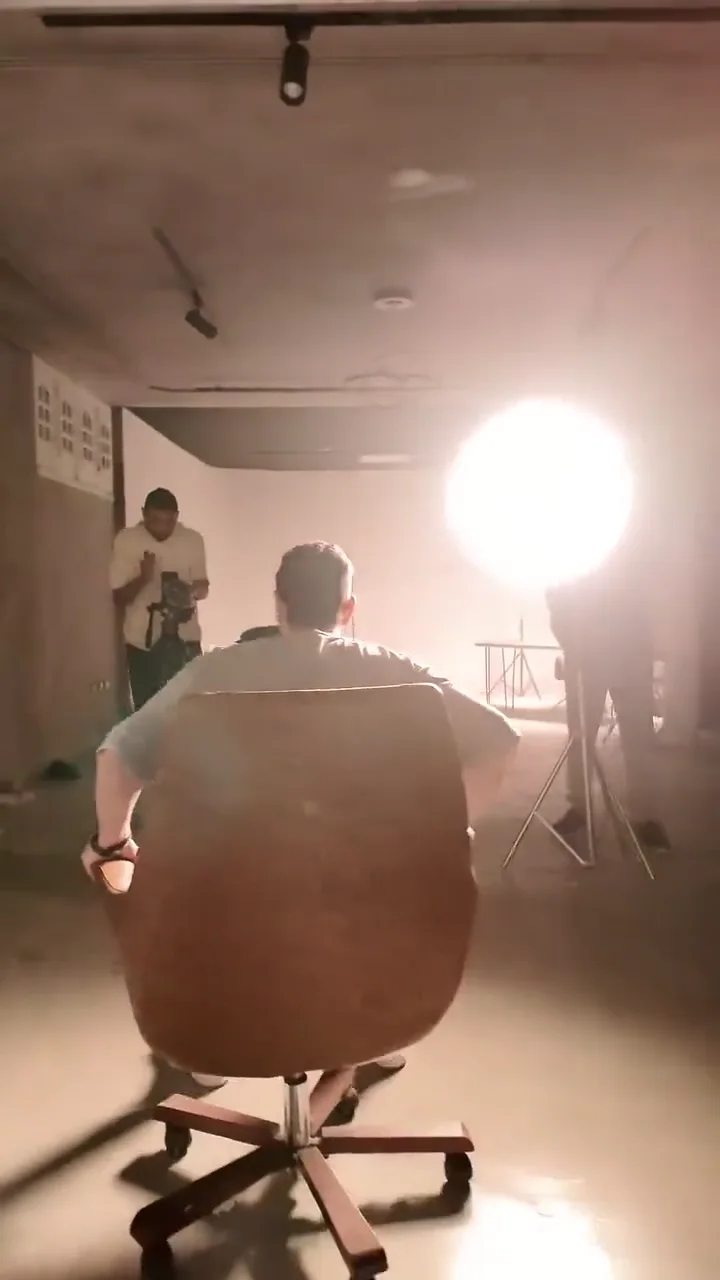
The pre-production meeting: the last check before the shoot
A few days before shoot day, the client, the director, the producer and the heads of each department sit together and go through the whole shoot scene by scene: the final script, the shot list, the cast, wardrobe, props, locations, the schedule and the product itself. Anything still open is decided in that meeting, and everyone signs off. It is the cheapest place to change your mind. After it, every change costs time on set.Casting: finding the right faces
The people on screen carry the ad, so casting deserves real time. We shortlist faces that fit the brief and the audience, then hold a casting where each actor reads or performs the scene on camera. The client sees the recordings and chooses. For real customers or employees instead of actors, plan a relaxed session and shorter lines, since most non-actors are stiff when reading a script and much better when simply talking about what they know.Locations and permits
A real location often looks better and costs less than building a set, but it comes with conditions: the owner's approval, fixed hours, noise, parking for the crew, and permits for filming in public streets or some buildings. Permits take time, so they are requested early in pre-production. We scout each location in advance, at the time of day we plan to shoot, to check the light and the background.Shooting products: cars, food and packshots
Products need their own techniques. Cars need wide roads, closed or controlled traffic, and rigs to film the moving car from another car or a drone. Food needs a food stylist and fresh plates for every take, because food looks tired within minutes under the lights. Packshots, the clean shots of the product at the end of the ad, are filmed in the studio on a controlled background, often on a turntable, with light shaped to show the label and the materials. Plan these shots in the schedule; they take longer than they look.Who is on a commercial production crew?
A small social media ad can be shot by a handful of people. A TV commercial can need thirty. The roles you will hear about:- Producer: owns the budget, the schedule and the permits, and keeps everyone on the plan.
- Director: turns the script into scenes and directs the performances.
- Director of photography: owns the image: camera, lenses, framing and lighting.
- Art director and stylist: sets, props, wardrobe and the look of the product on screen.
- Sound recordist: clean dialogue on set, which saves days in post-production.
- Gaffer and grips: the lighting and camera support crew.
- Editor, colourist and sound designer: the post-production team that turns the footage into the final film.
How long does commercial production take?
It depends far more on decisions than on filming. A simple social media ad with one location and no casting can go from brief to delivery in one to two weeks. A TV commercial with casting, several locations, permits and original music usually takes four to eight weeks, and most of that time is pre-production and approvals. The shoot itself is often one or two days. The fastest way to lose time is late feedback. When five people approve the script separately, or new comments arrive after the edit is locked, the schedule slips. One decision-maker with the final word keeps a commercial on time.What sets the budget of a commercial?
Every commercial is priced from the same building blocks, so it helps to know them before you ask for a quote:- The number of shoot days and locations.
- Cast: how many actors, and whether a known face is involved.
- Crew size and equipment: cameras, lenses, lighting, drone, special rigs for cars or food.
- Sets and art direction: shooting in a real place is usually cheaper than building one.
- Music: licensing an existing track, or composing and recording a jingle.
- Post-production: editing, colour, sound, graphics and visual effects.
- The number of versions: lengths, aspect ratios and languages.
TV commercial or social media ad?
A TV commercial has the viewer for 30 seconds whether they want it or not, so it can build a story. A social media ad has about two seconds before the thumb moves on, so it has to open on its strongest image, work without sound, and show the brand early. It is usually shot vertically, or framed so it can be cut to 9:16 and 4:5 without losing the product. Most campaigns now need both. The efficient way is to plan both on the same shoot: the director frames for the widest and the tallest version at once, and extra shots for the short social cuts are added to the schedule instead of being improvised in the edit.Rights: talent, music and footage
Before the shoot, agree in writing where and for how long the ad will run. Actors and voice artists are usually paid for specific media (TV, digital, outdoor) and a specific period, and running the ad beyond that means paying again. The same goes for licensed music. The footage itself, and who owns it, should also be written into the contract, especially if you plan to reuse shots in future campaigns.How to choose a commercial production company
Look at the work, but look for work close to yours: a company that shoots great fashion films may not be the right one for a car commercial or a product demo. Then ask how they would approach your brief, who exactly will direct and shoot it, and what is included in the quote. A clear, itemised quote is a good sign. A vague one usually grows later. Ask to see behind-the-scenes footage too. It shows how a crew works on set, which matters as much as the final film.Where do time and money get wasted?
An unclear brief means the idea changes after preparation has started. A location nobody scouted shows its problems on shoot day. Late feedback from several people sends the edit back to square one. Most of these problems have one fix: make the big decisions before shoot day, not during it.Commercial production FAQ
Do you write the idea and the script, or do we?
Either works. We can develop the concept and script from your brief, or produce a script your agency has already written.How many rounds of edits are included?
We agree on this in the quote. Usually a first cut and two rounds of changes, which is enough when feedback is gathered in one place.Can one shoot give us both a TV ad and social media cuts?
Yes, if it is planned from the start. The shoot is framed for both, and the short versions are written as their own scripts, not just trimmed.Do you shoot outside Cairo?
Yes. We shoot on location across Egypt; travel and permits are part of the plan.EPH's production team in Cairo: commercials, events, photo and sound studios. We write here about what we learn on set.


 Shineray X30 — On set
 zed's — Making of the commercial
 Red Bull — Behind the scenes
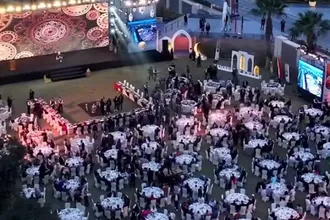 Republican People's Party — Iftar build
 Golden Beach Resort — Behind the scenes
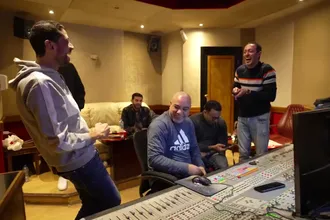 zed's — Recording the ad song
 Shineray — Five locations in one day
 Republican People's Party — Sports final build
 Conference night — The build
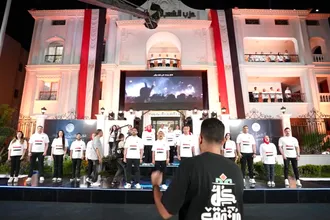 Republican People's Party — Making of the song
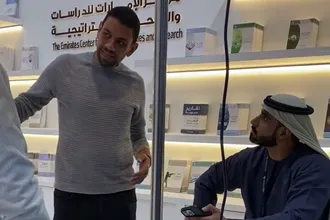 ECSSR — At the stand
 Shineray — Studio setup
 Startup Power — Summit build
 Social media — Studio shoot at EPH
 Republican People's Party — Hurghada Forum
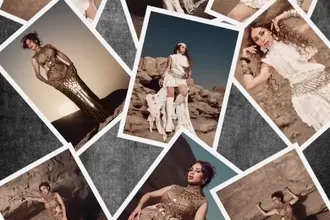 Wadi Degla — Fashion session